

Packing a session bag
A little preparation the night before can make a long session day feel easier. This guide keeps the focus on everyday comfort items, with a simple checklist you can adjust to suit your clinic routine.
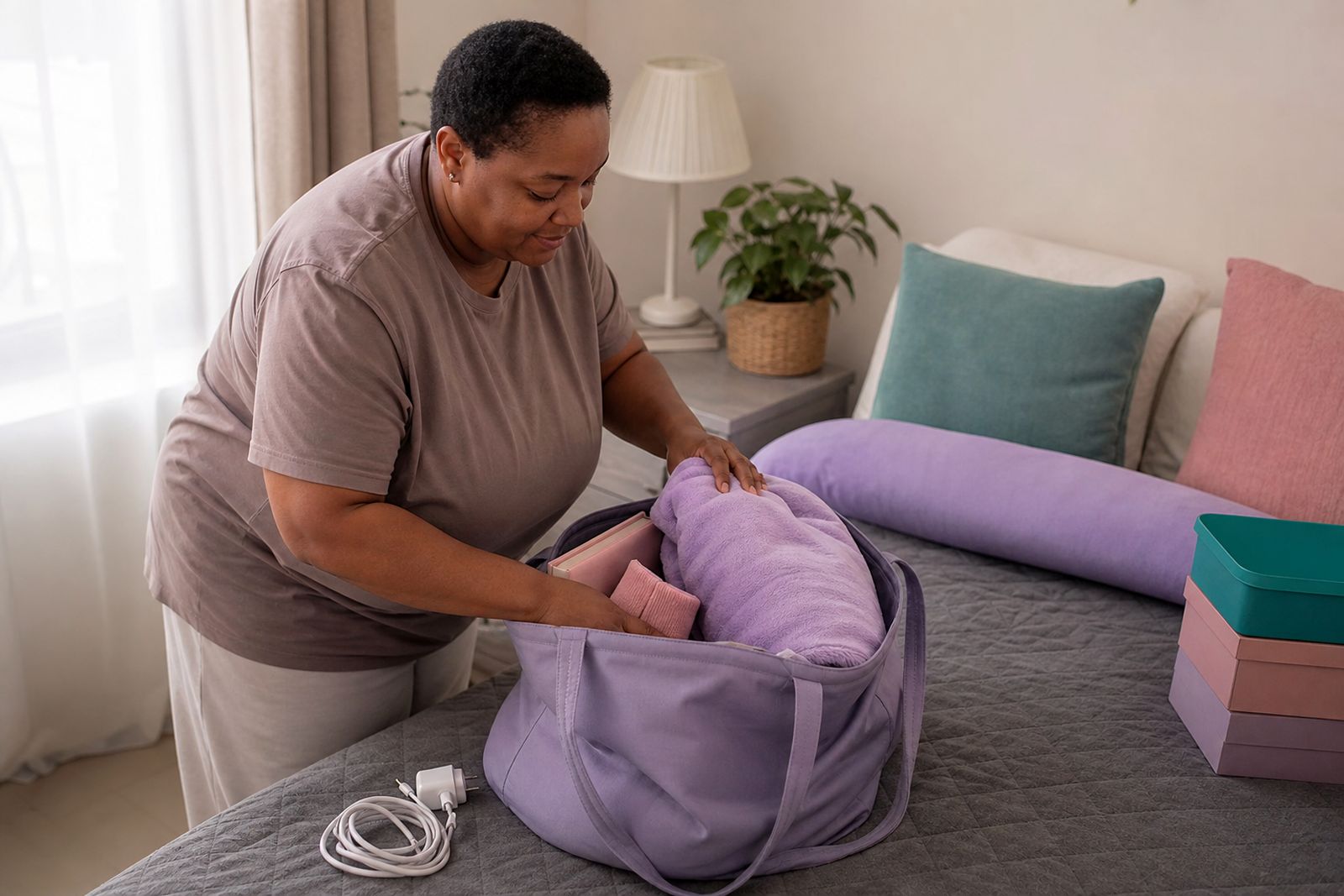
Start with what your clinic allows
Before you pack anything, check what may be brought into the treatment area at your clinic. Some units are fine with a blanket, socks, a neck pillow and a reading light, while others may have limits on bag size, plug-in items or extra cushions. It helps to keep your comfort kit simple and easy to wipe down or wash after use.
DialysisCare Comfort supplies everyday comfort goods only. We do not sell medical products, we do not give health advice, and we do not make health claims. If you are unsure about any item, ask the clinic staff first so there are no surprises on the day.
- Confirm whether blankets are allowed in the chair area.
- Check if clip-on reading lights are permitted.
- Ask whether larger tote bags must stay in a waiting area.
- Find out if food and drinks are allowed where you sit.
- Keep only comfort items in your bag, not treatment supplies.
Choose a bag that is easy to carry and sort
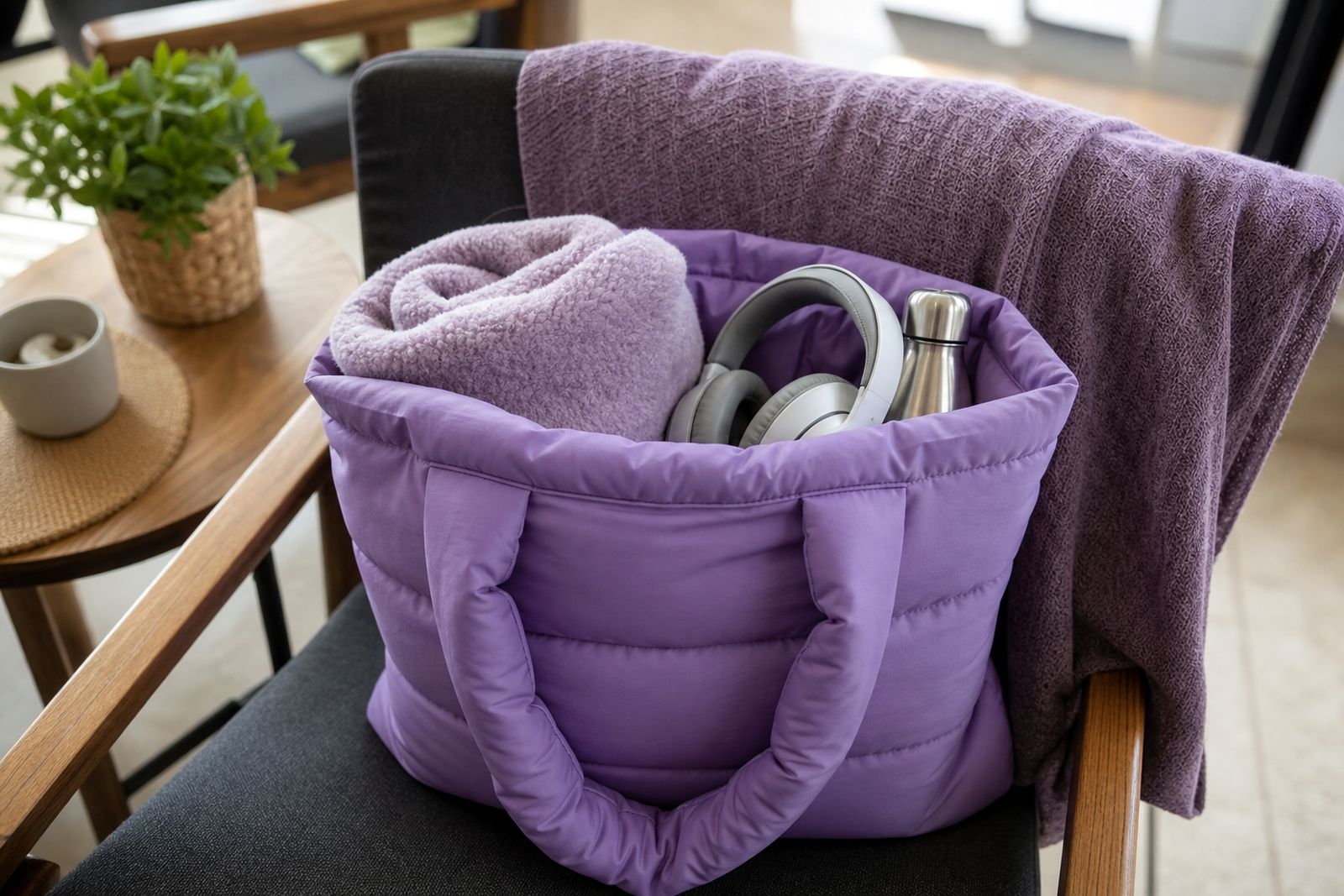
A good session bag should open wide, stand up on its own if possible, and have enough structure to stop smaller items getting lost at the bottom. Many people prefer a padded tote or a soft-sided bag with inside pockets, because it holds shape without feeling bulky on the shoulder. If you travel from Randburg through traffic or use a lift service, a lighter bag is often easier than a large overpacked one.
Pack by use rather than by item type. Keep warmth together, reading items together, and personal bits in one pouch. That way you are not searching through the whole bag once you are settled in your chair. A simple layout saves time and it keeps things calmer when you are tired.
- Main section for blanket or fleece throw.
- Side pocket for socks or a light wrap.
- Small zip pouch for lip balm, tissues and earphones.
- Easy-reach pocket for book, tablet or crossword pad.
- Clip or loop for a reading light so it does not disappear into the bag.
Pack for warmth first
Treatment rooms can feel cool even in warmer months, especially when air conditioning is on. Start with the items that help you stay comfortable for several hours without taking up too much space. A fleece throw is often the first item people reach for, followed by warm socks and a small cushion. In winter on the Highveld, or during early morning trips, these basics can make a real difference.
Choose soft washable pieces that fold down neatly. A large heavy blanket can be awkward to carry and may slide off the chair, so many people prefer a lighter throw that can double over the legs. If coastal humidity is a concern for family sending a gift to Durban, Gqeberha or Cape Town, breathable fabrics that dry quickly after washing are usually easier to manage.
- Fleece throw or compact blanket.
- Warm socks packed in a clean pair.
- Light shoulder wrap or scarf if permitted by the clinic.
- Small pillow or neck cushion for extra support.
- An extra tote or laundry bag for used fabric items after the session.
Add small comforts for the long hours
Once warmth is covered, add the little things that help pass time and make the session area feel less stark. A clip-on reading light is useful for early starts, overcast afternoons or rooms where the lighting is uneven. Some people prefer a neck pillow for resting while others want a small arm cushion to make sitting still easier. Keep these extras practical and easy to clean.
Think about comfort in short blocks: reading, resting, and staying organised. If one item handles more than one job, even better. A soft pouch can carry tissues and lip balm, then later keep loose cords together. Pack only what you know you will use, because a heavy bag is tiring to move and unpack.
- Clip-on reading light with fresh batteries if required.
- Book, magazine or puzzle pad.
- Arm cushion or small support pillow.
- Neck pillow for resting during the session.
- Tissues, lip balm and a soft eye mask if the clinic allows it.
Use a night-before checklist
The easiest way to avoid forgotten items is to repack the bag the night before every session, even if most things stay inside from one visit to the next. Take out used socks, shake out the blanket, charge any small devices and put everything back in the same place. A repeated routine makes early departures much easier, especially on days that start before sunrise or during power cuts when house lights are limited.
You can keep this checklist on your phone or print it and leave it near the bag. After a few sessions, cross off anything you never use and add the items you always miss. Keep it simple, clear and realistic.
- Blanket or fleece throw packed and folded.
- Socks, wrap and cushion clean and ready.
- Reading light checked and packed.
- Book or quiet activity added.
- Personal comfort pouch refilled.
- Bag placed near the door with shoes and jersey.
Refresh, wash and reset after each session
A session bag works best when it is always half-ready for the next visit. As soon as you get home, remove anything that needs washing or wiping down. Fold the blanket once it is dry, restock tissues and put your reading light back where it belongs. This keeps your bag fresh and stops last-minute rushing.
If you are helping a family member pack, keep their preferred layout the same each time. Put the socks in the same side pocket, the pillow in the same section and the reading items on top. Familiar packing helps on tired days and saves a lot of fuss. Families who want to send a thoughtful parcel can also use this guide when building a comfort gift box with practical items the person will actually take along.
When in doubt, pack less and choose softer, lighter comforts that are easy to wash and easy to carry. A tidy bag packed the night before can make the morning feel calmer, and that is often the real goal.
What our Dialysis Comfort Gifts customers say
Verified Google reviews
Questions we get asked
What should I always keep in a dialysis session bag?
Most people start with a compact blanket or fleece throw, warm socks, a small cushion, a quiet activity and a few personal comfort items such as tissues or lip balm. Check with your clinic which comfort items are allowed in the treatment area.
Can I bring a reading light or pillow to my session?
Many patients do bring these types of comfort items, but clinic rules can differ. Ask the clinic staff before packing a clip-on light, neck pillow or extra cushion so your bag matches their routine and space limits.
Does DialysisCare Comfort sell medical supplies for treatment days?
No. We sell comfort goods only, such as blankets, socks, cushions, bags, reading lights and gift boxes. We do not sell medical products, give health advice or make health claims.
Also worth a look
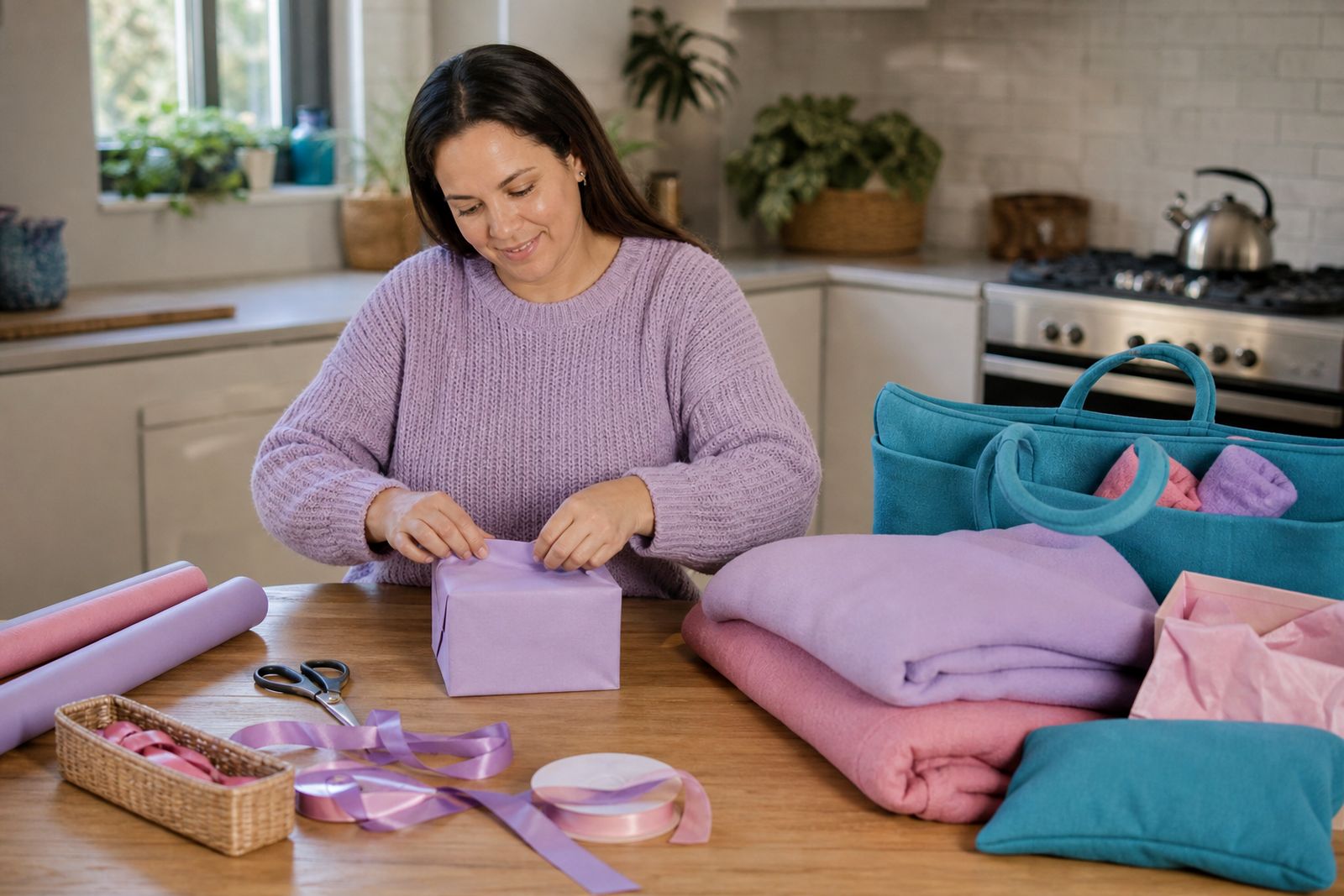
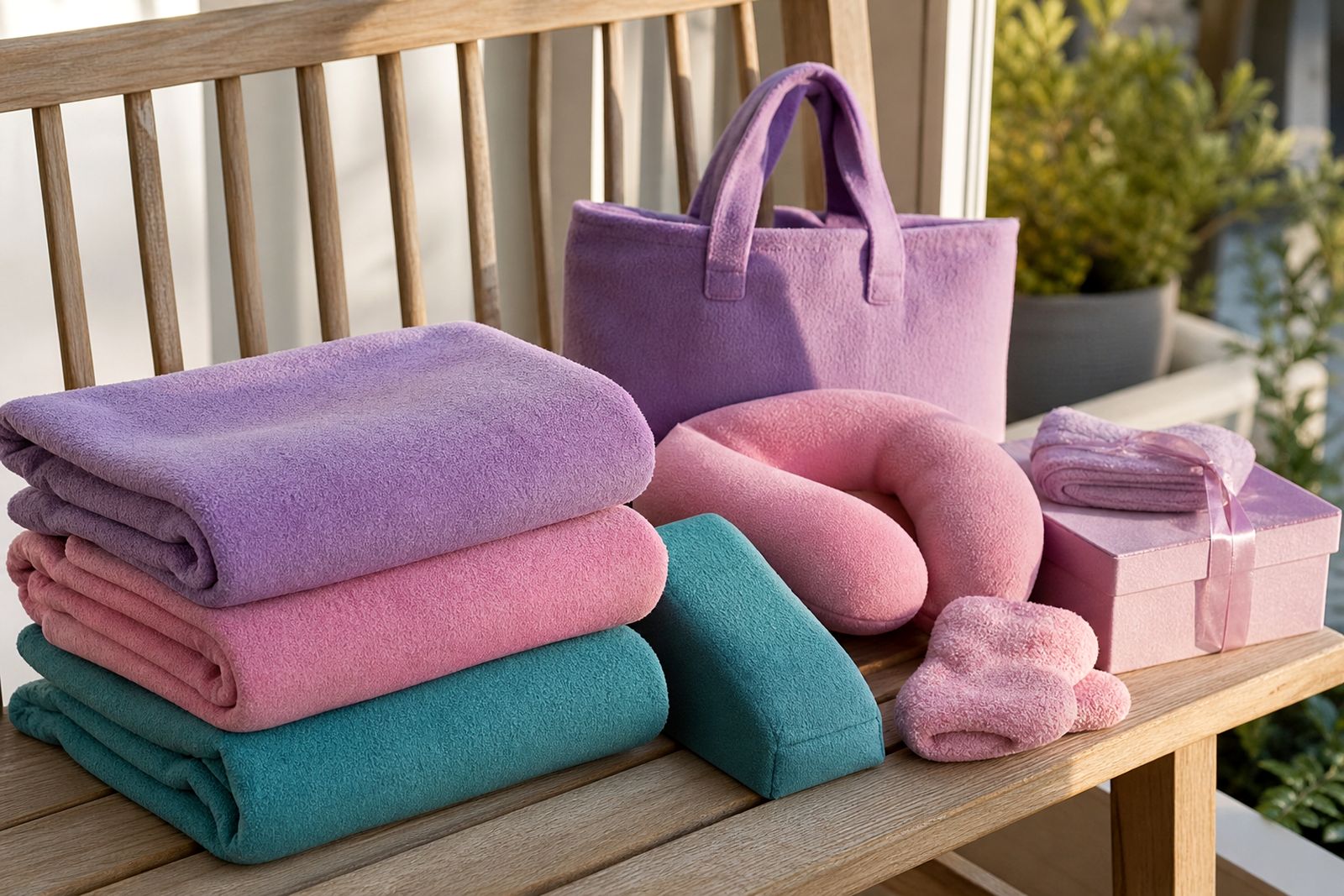
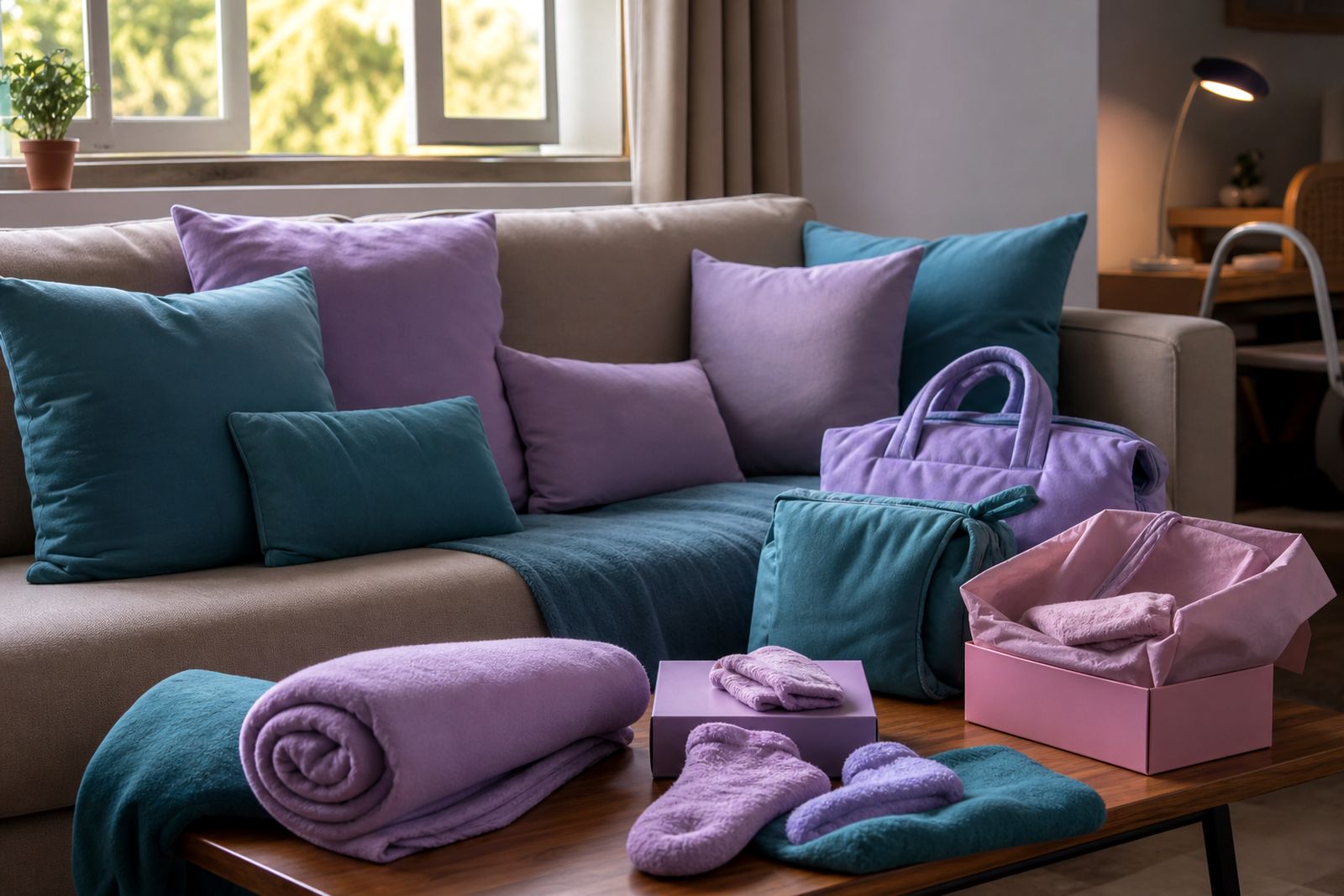
Put together a comfort parcel
Send a note through our contact form with what you have in mind, who it is for and where it must go, and we will help you choose and pack it.
Open the contact form